
Welcome to the website for the Atomic Anxiety in the Third Nuclear Age project. This £1.1 million academic research project is led by Dr Rhys Crilley at the University of Glasgow, and is funded by a UKRI Future Leaders Fellowship.
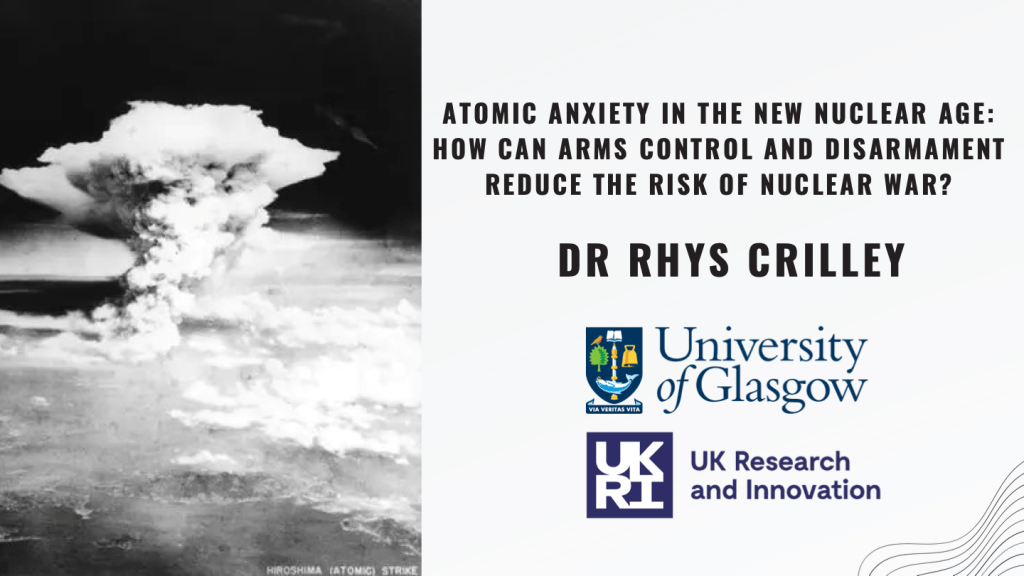
The Atomic Anxiety in the Third Nuclear Age project examines how nuclear arms control and disarmament efforts can be developed to reduce and avert the risk of nuclear conflict.
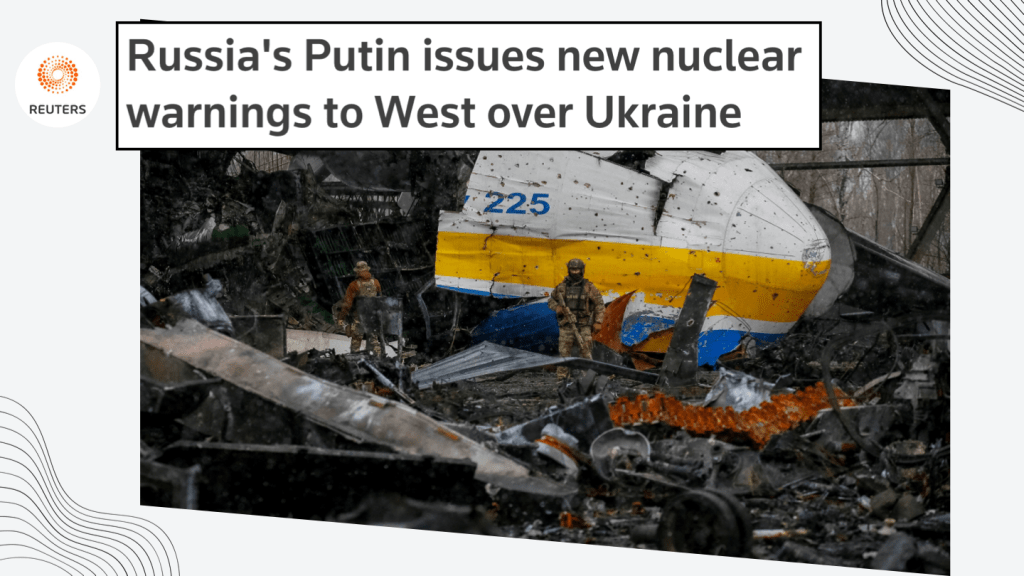
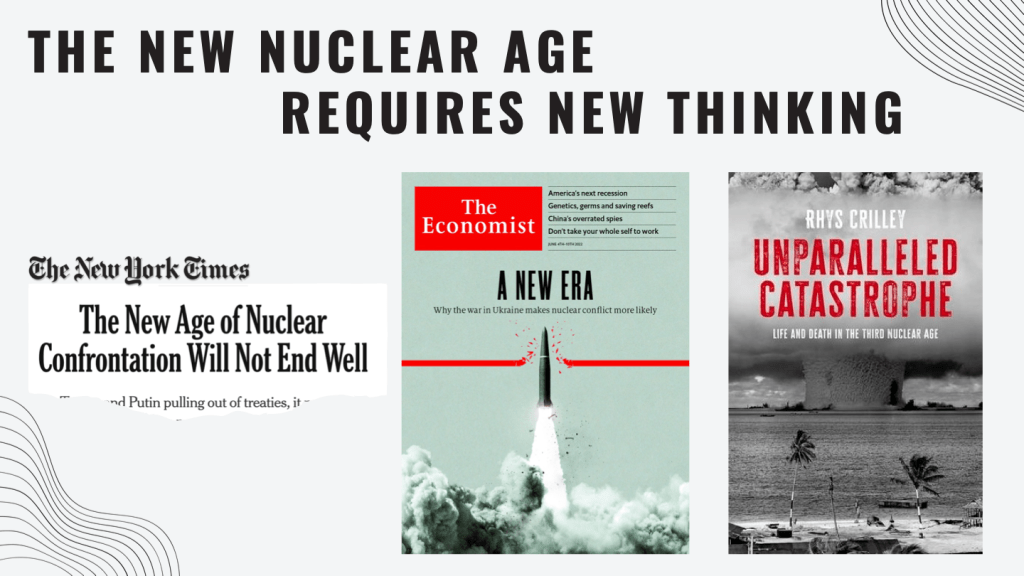
According to the Secretary General of the United Nations, the world has entered ‘a time of nuclear danger not seen since the height of the Cold War’. This dangerous ‘new nuclear age’ is the result of arms control treaties collapsing, rising tensions between nuclear weapon states, and threats to use nuclear weapons such as those made by Vladimir Putin, who has warned of ‘ominous consequences’ against anyone who opposes his invasion of Ukraine.
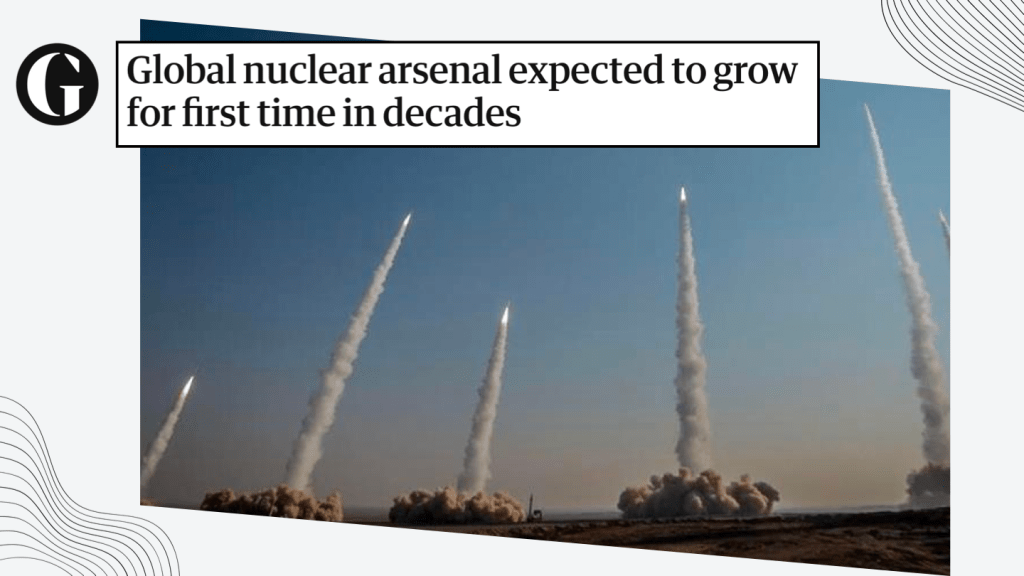
At the same time, all of the nuclear weapon states are modernising or increasing their nuclear arsenals.
In this context of heightened atomic anxiety, this project investigates how the legitimacy of nuclear weapons is communicated, constructed, and contested, and then examines how nuclear arms control and disarmament efforts can be improved based on these insights.
Despite the catastrophic potential of even a small nuclear conflict, states continue to maintain, modernise, and increase their nuclear weapons arsenals. Why?
This project addresses this puzzle and has two central aims.
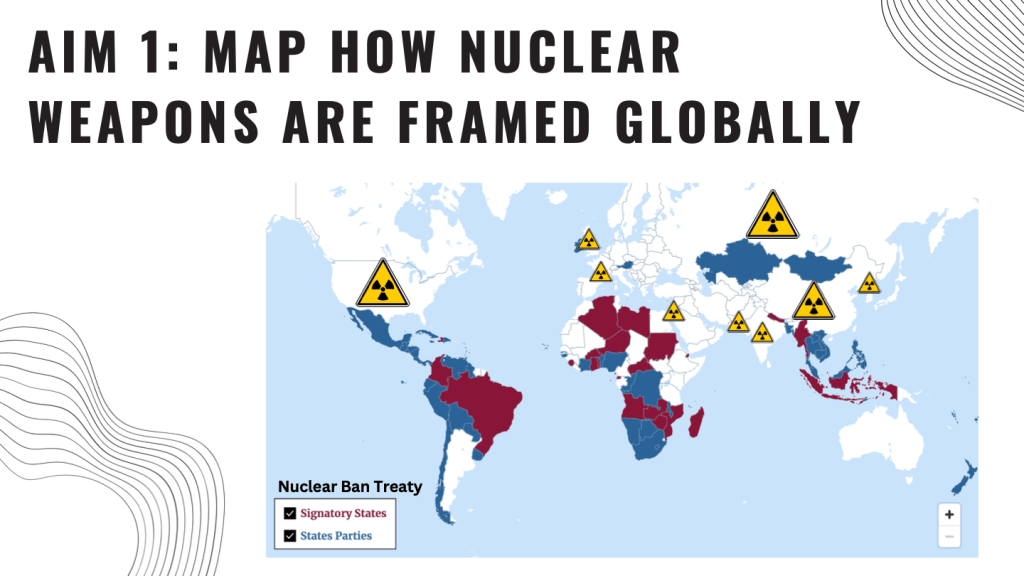
First, it seeks to understand how and why states claim legitimacy for their nuclear weapons in this ‘new nuclear age’, as well as understanding how other political actors and members of the public consent to, acquiesce or challenge these claims.
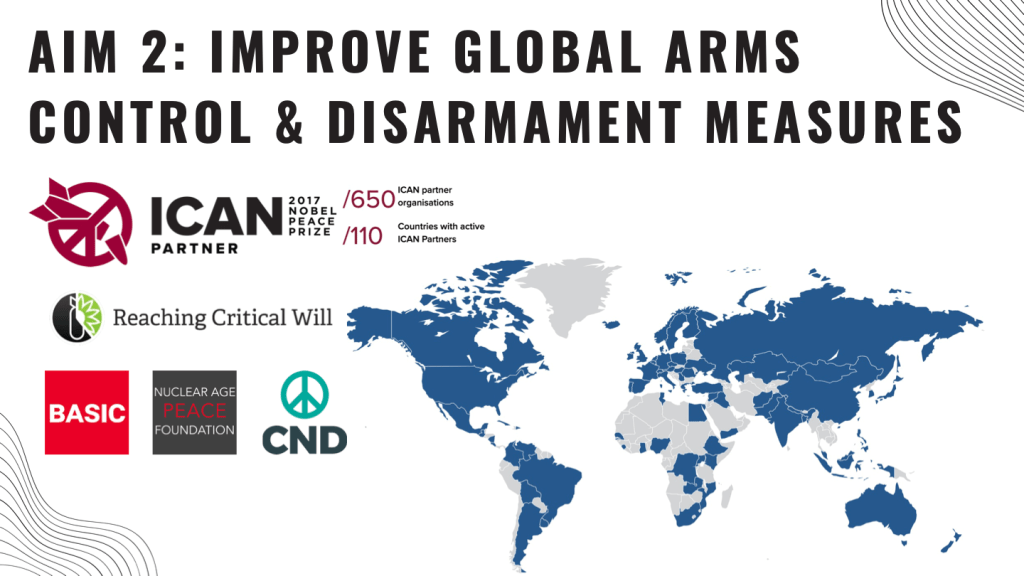
Second, the project critically assesses how the risk of nuclear war can be mitigated through improving nuclear arms control and disarmament advocacy and mechanisms so that they gain more international support.
The project delivers these aims through innovative, mixed methods research of multiple data sources. These methods include:
- Documentary analysis of policy documents, military doctrine, and diplomatic statements,
- Discourse analysis of news media and social media content on the topic of nuclear weapons,
- Interviews and focus groups with policymakers, nuclear arms control and disarmament advocates, and members of the public.
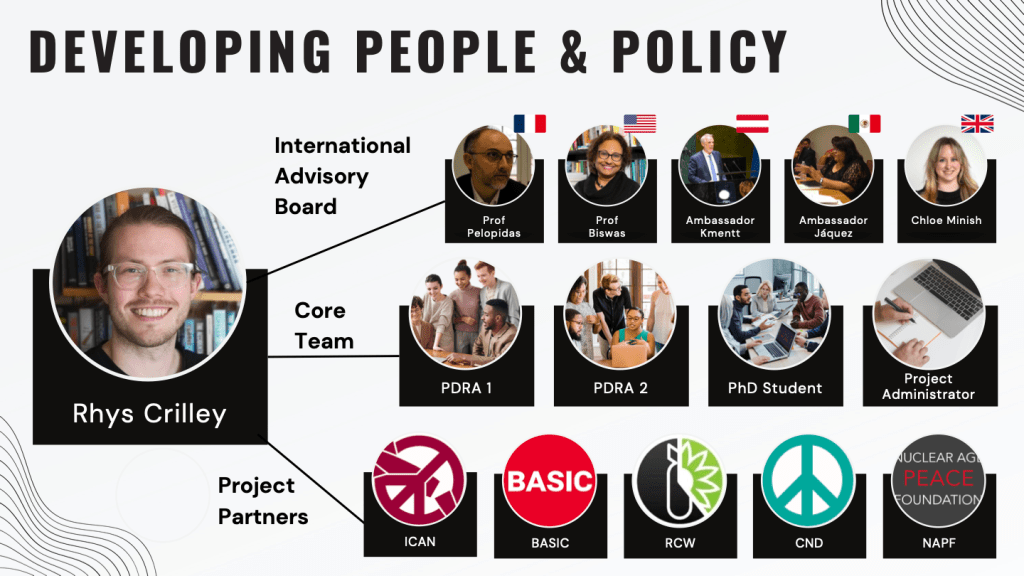
The project will support two post-doctoral positions and a PhD studentship (funded by the University of Glasgow), thereby building capacity for a world-leading team on nuclear arms control and disarmament.
Through this research, the project will provide:
- A global mapping of all UN member state policies and their framing of nuclear weapons in the ‘new nuclear age’.
- An understanding of global opinion about nuclear weapons, arms control, and disarmament, that will inform…
- A theory of change for how arms control and disarmament efforts can be developed and improved, so as to further reduce the risk of nuclear conflict, by for example, building support for arms control and disarmament with international policymakers and the public.
In doing so, the project contributes to academic literatures on international security, nuclear disarmament, and social movements.
Significantly, the project also has high impact utility for policymakers and advocacy organisations who have agreed to be project partners – such as the International Campaign to Abolish Nuclear Weapons (winners of the 2017 Nobel Peace Prize), the Campaign for Nuclear Disarmament, the Nuclear Age Peace Foundation, the British American Security Information Council, and Reaching Critical Will – who work to reduce the risk of nuclear war.
Please get in touch if you want to know more or be involved in the project.
 Atomic Anxiety in the New Nuclear Age
Leave a comment